
Hi 👋 , welcome to;
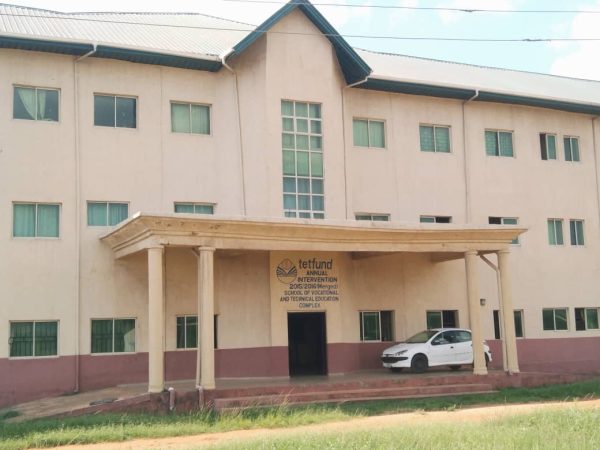
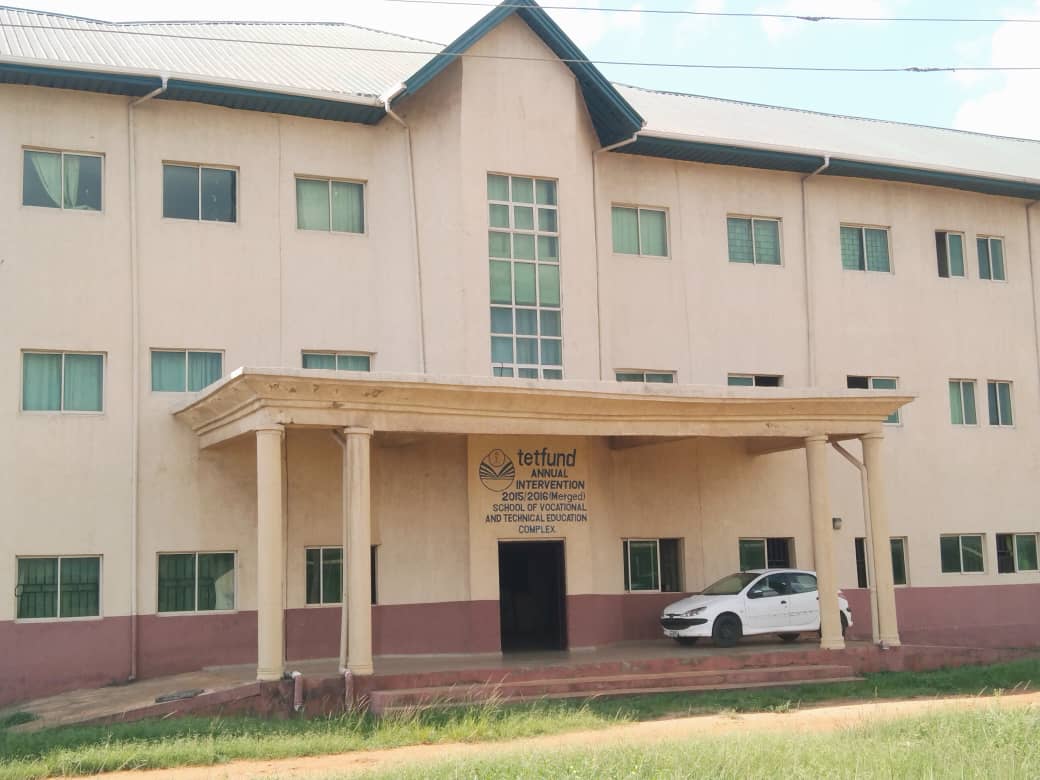
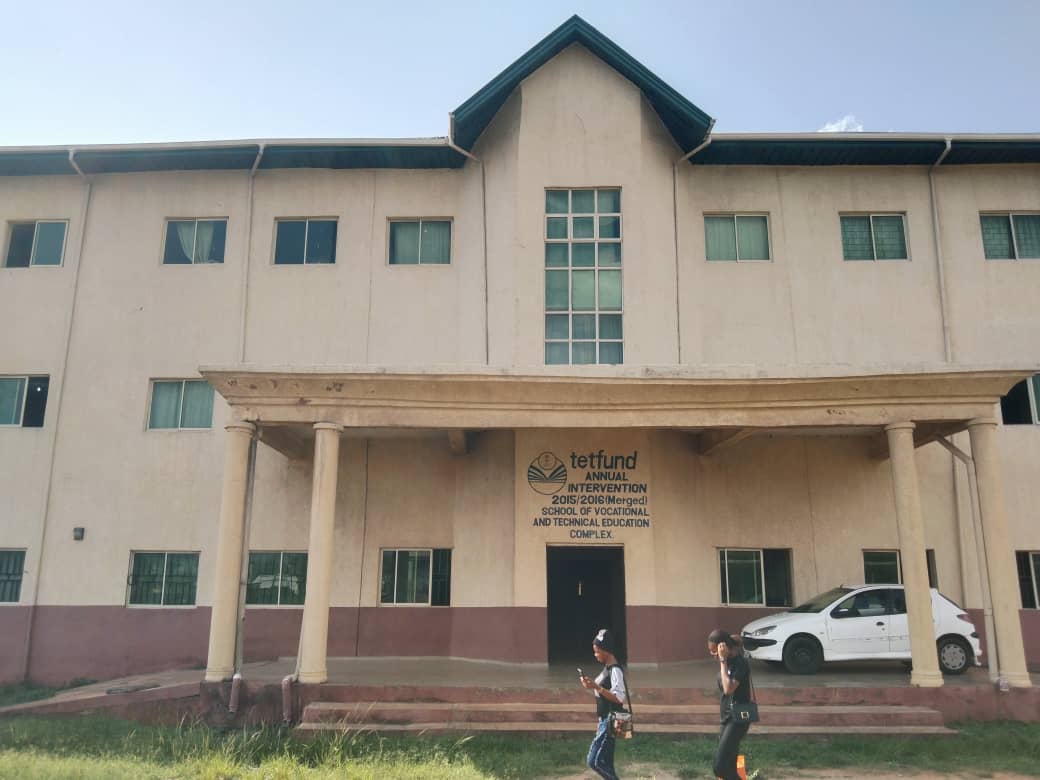
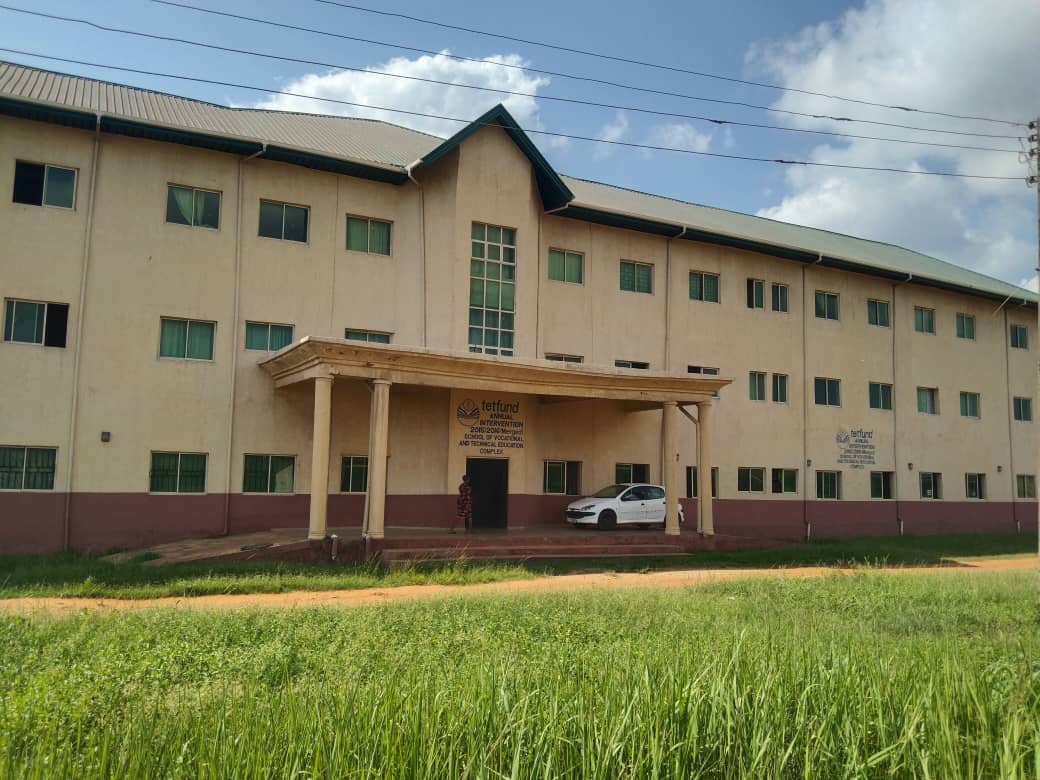
The Vocational Workshop Building at Nwafor Orizu College of Education, Nsugbe (NOCEN), serves as a practical training ground where students develop hands-on skills in various vocational and technical fields. This specialized facility is designed to bridge the gap between theoretical knowledge and practical application, fostering self-reliance, creativity, and workforce readiness.
Purpose and Structure
The building is segmented into dedicated sections for trades such as carpentry, fashion and sewing, electrical installation, and mechanical operations. Each section is equipped with relevant tools, machinery, safety equipment, and workspaces that replicate real-world environments.
Overall Impact
The Vocational Workshop Building promotes:
– Skill acquisition for employability or entrepreneurship.
– Confidence in technical fields through experiential learning.
– Discipline and collaboration in a workshop environment.
This facility is a cornerstone of practical education at NOCEN, aligning with national goals for technical and vocational education and training (TVET).
1. Participate in Hands-On Projects
Students engage in supervised practical work that complements their classroom instruction. For example:
– Carpentry students may construct furniture like chairs or tables.
– Sewing students can design and produce garments or fabric items.
– Mechanical students may disassemble and repair engines or build mechanical devices.
– Electrical students practice wiring systems, setting up circuits, and installing fixtures.
These projects often form part of their course assessments and portfolio development.
2. Operate Tools and Equipment
Learners gain proficiency in using industry-standard tools and machinery such as:
– Power saws, drills, and planers in the carpentry section.
– Sewing machines, pattern drafting tools, and embroidery equipment in the fashion unit.
– Multimeters, circuit testers, and installation kits in the electrical workshop.
– Engine hoists, spanners, and diagnostic equipment in the mechanical section.
This exposure prepares them for direct entry into the workforce or entrepreneurial ventures.
3. Build Prototypes or Models
Students are encouraged to apply innovation by designing and creating:
– Working prototypes of furniture, devices, or electrical systems.
– Creative fashion pieces or uniforms.
– Simple machines or model structures related to construction or repairs.
These projects foster problem-solving and project-based learning.
4. Complete Practical Assessment Work
Many vocational courses require continuous practical assessments. In this workshop:
– Students perform tasks for grading based on national curriculum standards.
– Instructors evaluate their accuracy, safety practices, and craftsmanship.
– Learners refine their techniques based on feedback.
 Page Looksograph
Want a page like this? Click the black button below & let the Vicilook Team help you set it up in minutes.